
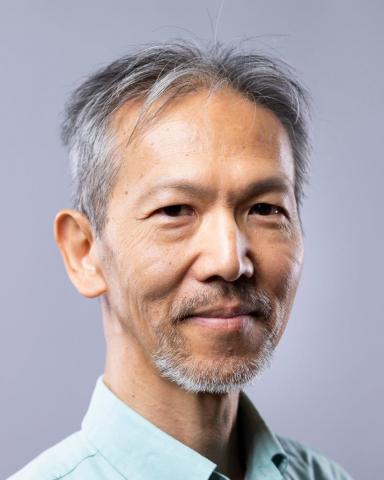
Masamichi (Marro) Inoue
As a cultural anthropologist, I have explored U.S. military base issues in Okinawa (Japan's southernmost prefecture) from historical and ethnographic perspectives for years. My second book on this subject--The Community of Nuchi Du Takara ("Life Is the Ultimate Treasure") in Postwar Okinawa (University of Michigan Press)--was published in 2025. My fieldwork-based ethnographic work also includes research on campus policing in the U.S., and I am now launching a new project regarding the Orthodox Church in Japan.
I have taught a wide range of courses, including Japanese language courses, Japanese cultural studies courses, fieldwork-based ethnographic writing courses, and a connected course for the International Village Living Learning Program, for which I have been serving as faculty director since Fall 2020.
- cultural anthropology
- Cultural studies
- Japan
- Okinawa
- the U.S.
- Japan Studies
- Masters in Teaching World Languages
- Modern & Classical Languages Literatures & Cultures
- Diversity and Inclusion
- Global Asias
- Foreign Languages and International Economics (FLIE)