As a prelude to the Fall Semester, Associate Provost Kathi Kern and Dean Mark Kornbluh will discuss the challenges posed by teaching and learning during the COVID-19 pandemic. Faculty and students alike worry about the logistics. How will we maintain a safe and healthy learning environment? How much of instruction will need to be moved online or “flipped”? How does technology enable or restrict us? How do we continue to foster strong student-teacher bonds at a distance? How do we build community in our current environment?
And while these questions are urgent for the particular moment, they also point to a lasting shift in how we go about our work as educators. Even after the pandemic subsides, we will likely find ourselves reflecting on the unexamined, yet sacred elements of what makes a college education. As disruptive as the pandemic has been, it has also ignited a climate of innovation. We are led to think anew about the journeys that our students take, how our research and disciplines best serve a diverse community of learners, how the wicked problems of the world defy institutional silos, and how we can best support individuals while also strengthening communities. Our lessons learned and enduring challenges from the past few months afford us a unique opportunity to anticipate these emergent paradigms for teaching and learning.
Pandemic and the Professor from UK College of Arts & Sciences on Vimeo.

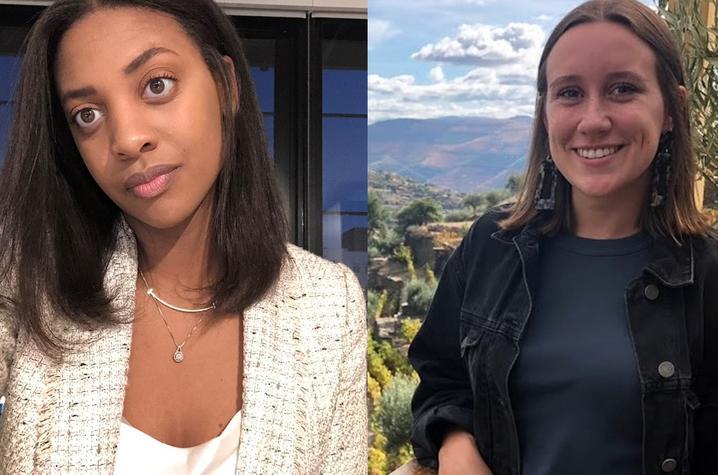 LEXINGTON, Ky. (Sept. 21, 2020) — University of Kentucky graduates Calli Brooks and Tsage Douglas have been selected to participate in the
 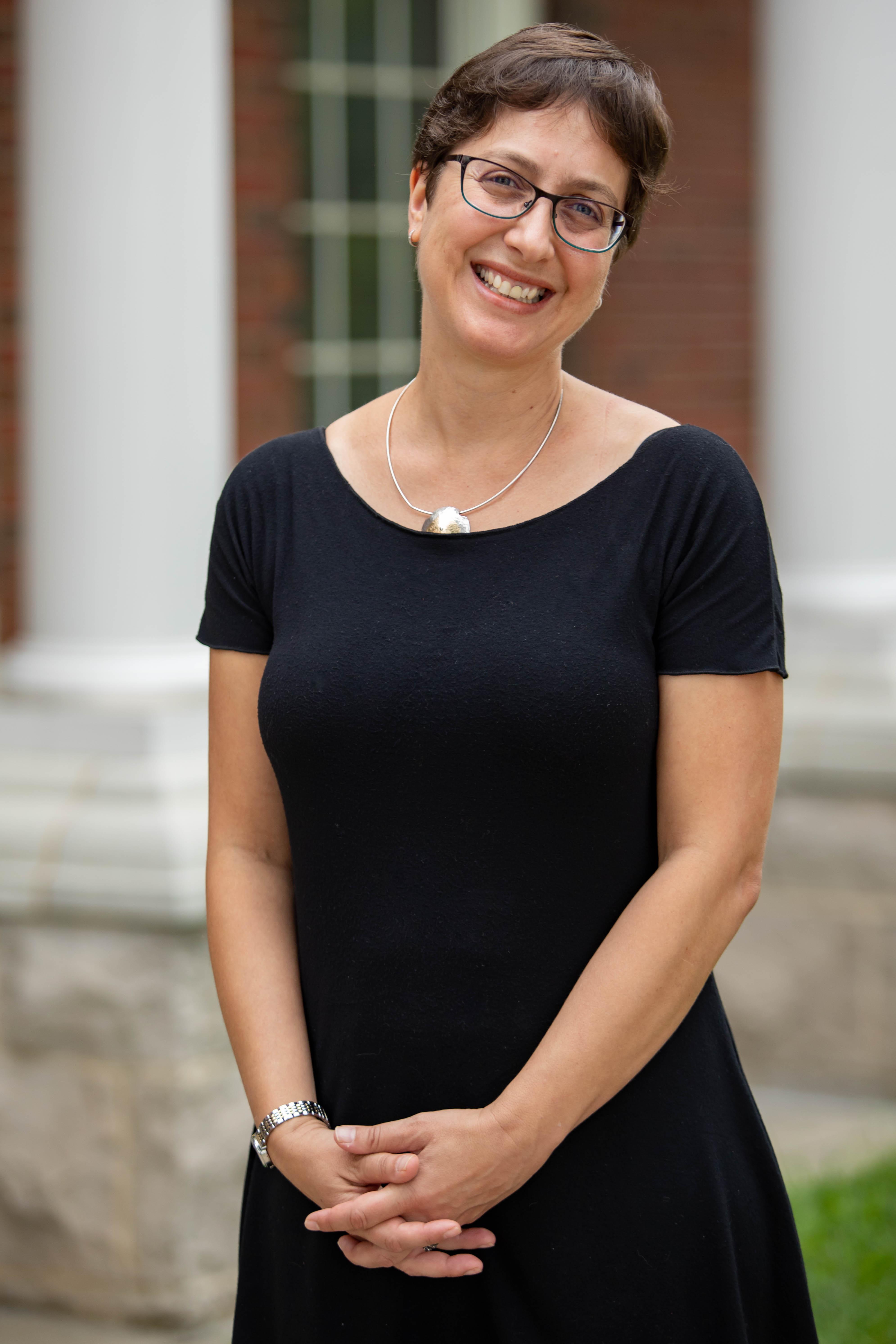 LEXINGTON, KY. (June 22) -- Sheila Jelen, interim director of the program in Jewish Studies and associate professor of Hebrew and Jewish Studies in the Department of Modern and Classical Languages, Literatures and Cultures in the College of Arts & Sciences at University of Kentucky, was recently awarded the Zantker Charitable Foundation Professorship in History.